
The hidden opportunity lurking in your woodland
How careful woodland management can support income, biodiversity and long-term estate value…
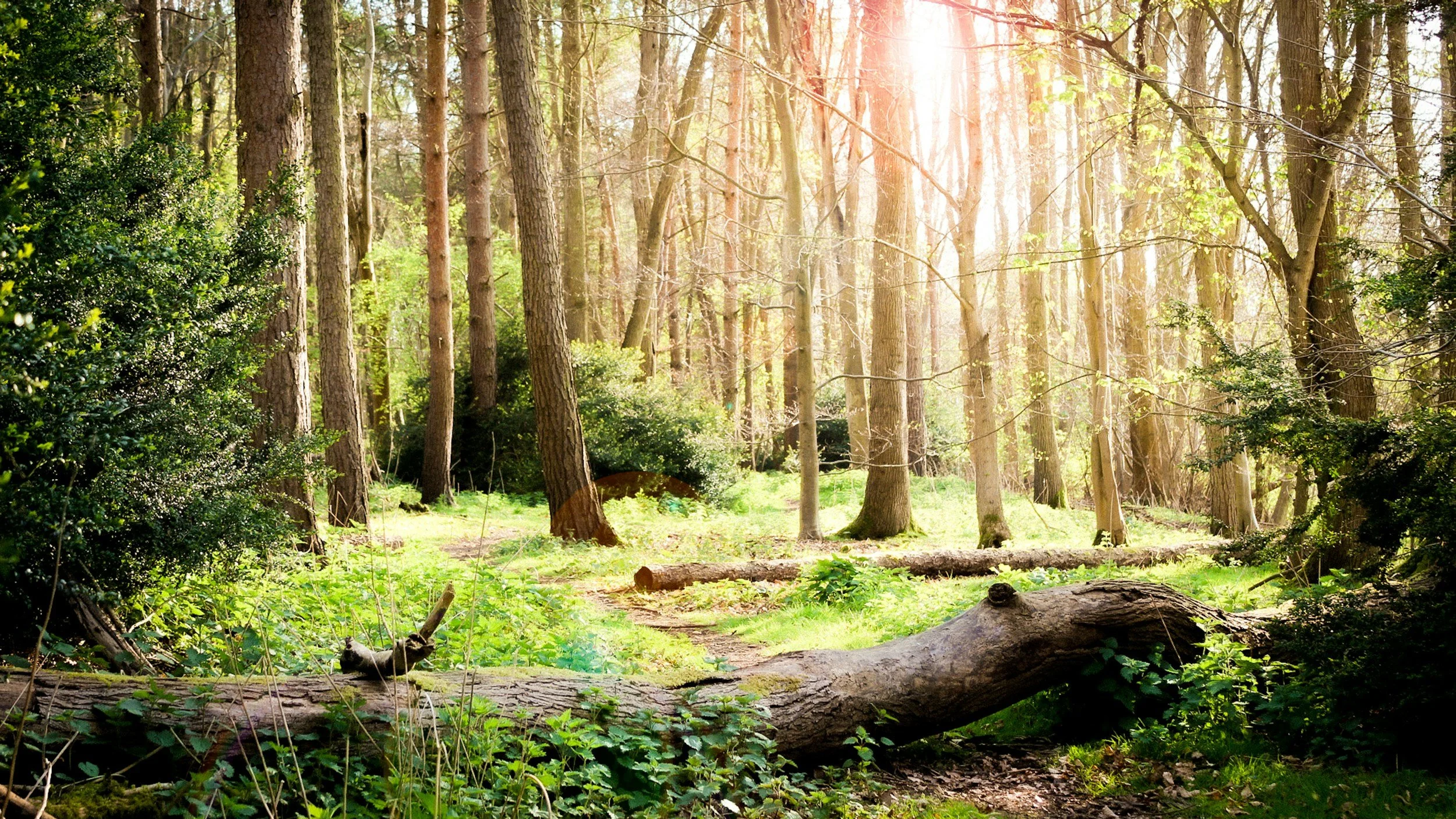
Could your woodland be working harder for your estate?
Woodland is one of the most undervalued parts of many rural estates.
Yet it shapes the landscape, supports wildlife, provides shelter, stores carbon, contributes to the character of a place and, in many cases, forms part of the estate’s heritage.
And woodland also needs active thought and care.
Without regular review, trees can become overcrowded. Light may struggle to reach the woodland floor. Younger or stronger trees may have less space to develop. Opportunities to improve biodiversity, timber quality or long-term resilience can easily be missed.
In many cases, a carefully considered woodland review can reveal something that feels like a genuine win-win: an opportunity to generate income from timber while also helping the woodland itself to thrive.
That was the case on a rural estate in Derbyshire, where TUK Rural worked alongside a forestry specialist recently to look more closely at how part of the estate’s woodland could be managed for the future.
The opportunity hidden in the trees
Like many estate assets, woodland can be easy to admire but difficult to assess.
From the outside, a patch of woodland may look healthy simply because it is full, mature and well established. But a dense canopy is not always a sign that everything underneath is flourishing.
When woodland becomes overcrowded, trees compete for light, water and nutrients. That can restrict the growth of stronger trees, limit natural regeneration and reduce the amount of light reaching the woodland floor.
In the right circumstances, selective thinning can help address this.
The principle is simple: by carefully removing selected trees, the remaining woodland has more space, more light and a better chance to develop. The Forestry Commission describes thinning as the felling of selected trees across an established woodland, typically used to promote growth and greater value in the remaining trees by adjusting density or species composition.
This is not about stripping woodland back or taking a short-term view.
Done properly, it is a planned intervention designed to improve the woodland’s long-term condition.
Income and stewardship do not have to be opposites
For many landowners, there can be an understandable hesitation around woodland work.
Trees are emotive. They are part of the landscape. They are often loved by families, tenants, visitors and local communities. Any work involving felling or thinning needs to be handled with sensitivity, care and the right professional advice.
But active woodland management is not the same as exploiting woodland.
In fact, in our view it is quite the opposite.
The Forestry Commission notes that sustainable woodland management can make woodland more resilient to climate change, pests and diseases, while also supporting timber, carbon sequestration, flood alleviation, wildlife habitats, soil health and wider environmental benefits.
That is why this recent project is such a useful example.
By reviewing the woodland with the right forestry expertise, the estate was able to identify a way to thin selected trees, create a saleable timber product and improve the future health of the woodland at the same time.
The outcome was not simply “wood for sale”.
It was a clearer plan for how the woodland could be managed as a living, long-term estate asset.
Why light matters in woodland
One of the most important benefits of careful thinning is the way it can change light levels.
When the canopy is too closed, very little light reaches the woodland floor. That can suppress ground flora, reduce habitat variety and limit the conditions needed for new trees and other plants to establish.
Creating appropriate canopy gaps, rides or glades can allow more light into the woodland interior. Forest Research notes that canopy gaps can benefit ground vegetation, invertebrates and lichen, while larger open and edge habitats can support different species and contribute to overall biodiversity.
In practical terms, this can help a woodland become more varied and more resilient.
Instead of one dense layer of competing trees, the woodland can begin to support a richer structure: mature trees, younger growth, shrubs, ground flora and open spaces. That variety matters, not just visually, but ecologically.
A healthier woodland is rarely a static woodland.
It is one where change is understood, managed and guided carefully over time.
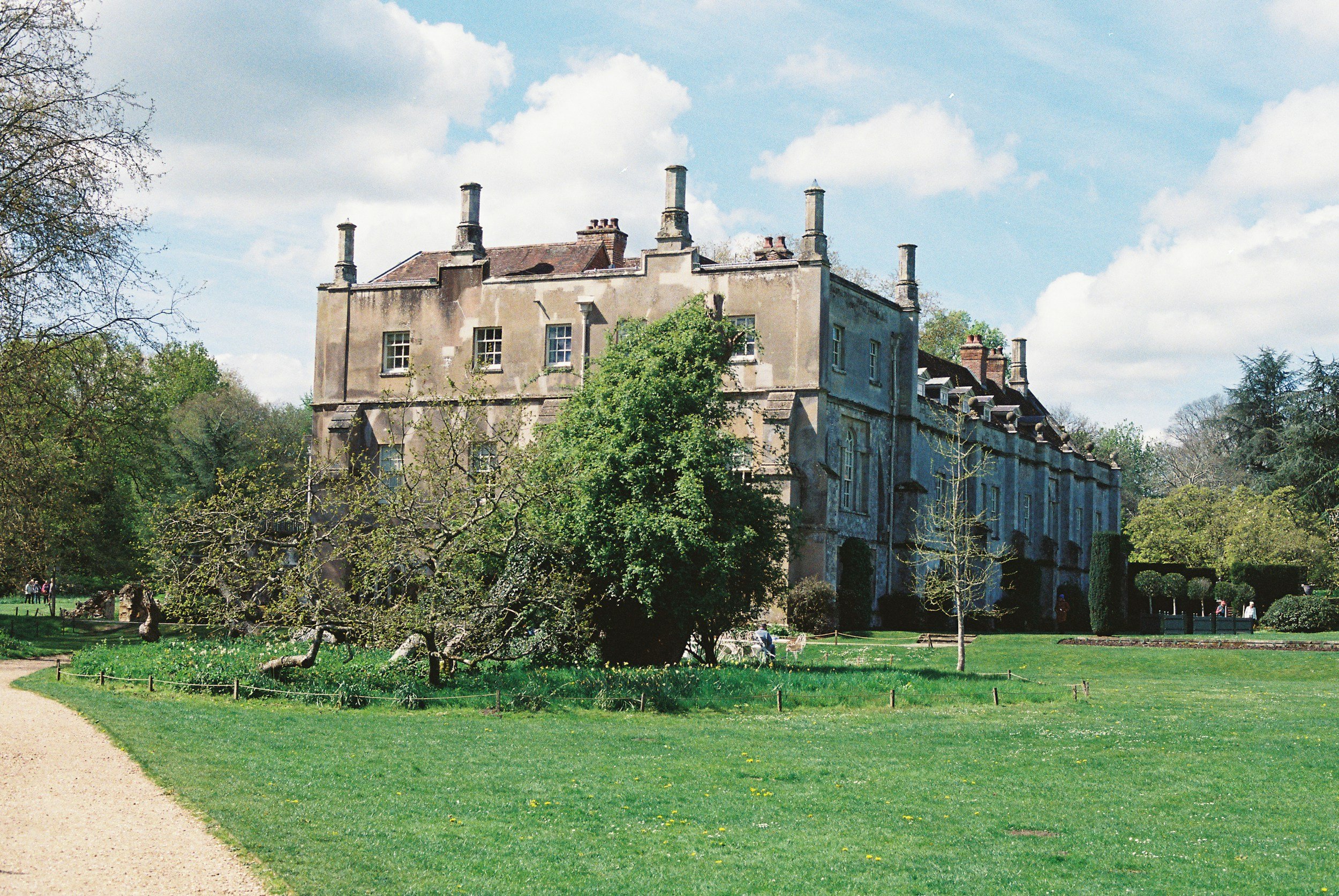
Woodland is as much a part of a rural estate as the buildings or its farmland
Seeing woodland as part of the wider estate
This is where a joined-up estate management approach becomes valuable.
Woodland does not sit in isolation.
It can affect access, landscape character, sporting interests, biodiversity, public perception, future planning, maintenance, diversification, energy use, shelter, amenity and long-term asset value.
For estates and landowners, the question is rarely just:
“Could this timber be worth something?”
A better question is:
“What role should this woodland play in the future of the estate?”
That might include income generation. But it may also include habitat improvement, landscape management, carbon considerations, public access, heritage, shelter, visual screening or future planning opportunities.
At TUK Rural, this is often where our role begins.
As Estate Managers we help landowners step back, look at the full picture and identify where specialist input may be needed. In this case, that meant working with a forestry expert who could advise properly on the woodland itself, while helping the estate consider how the opportunity fitted within wider management and long-term priorities.
Starting with clarity
As with many rural estate decisions, the first step is not necessarily a major commitment.
It is gaining clarity.
A woodland management plan can give landowners a structured way to plan and organise sustainable woodland management. It can also help with grant applications and provide a basis for felling licence applications over a longer period.
That does not mean every estate needs to rush into woodland works.
But it does mean that landowners with woodland should consider whether they really understand its current condition, its risks and its potential.
There may be areas where no intervention is needed. There may be areas where professional forestry advice would be useful. There may be parts of the woodland where thinning, access improvements or longer-term management could create environmental and commercial benefits.
The important thing is to look properly before making assumptions.
A practical opportunity for rural estates
The Derbyshire estate example shows how valuable this approach can be.
Their woodland review identified an opportunity to manage the trees more effectively, create a commercial return from timber and improve the woodland’s long-term condition.
For the estate, that means an asset that is better understood.
For the woodland, it means more space, more light and a clearer path for future management.
For other landowners, the lesson is simple: there may be value sitting quietly within the estate that has not yet been properly reviewed.
That value is not always about development.
It might be in reducing energy costs, improving building use, reviewing land opportunities, managing woodland more effectively or simply taking a more strategic view of the assets already in place.
Is it time to review your woodland?
If you own or manage a rural estate, farm or landholding with woodland, it may be worth taking a closer look at what you have.
Is the woodland being actively managed?
Are the trees overcrowded?
Is natural regeneration taking place?
Could selected thinning improve the woodland’s health?
Is there timber value that has not been properly assessed?
Does the woodland have a clear role within the wider estate plan?
These are not always easy questions to answer alone. But with the right advice, they can open up sensible, practical opportunities.
At TUK Rural, we work with rural estates and landowners to understand the full picture across land, buildings and property assets. Where specialist input is needed, we can help bring the right people into the conversation and make sure decisions are considered in the context of the estate as a whole.
If you would like to understand whether your woodland, land or rural property assets could be working harder for your estate, we would be happy to have an initial conversation.
Sometimes, the best opportunities are already there.
They just need to be seen clearly.