
7 Reasons Why 2026 is the Year to Finally Move That Rural Project Forward
by Phil Tuckwell, Director
If you’ve been thinking about a rural development project for a while – perhaps a barn conversion, an extension, a small development, or land with longer-term potential – the chances are the idea isn’t going away. It’s just needs someone to do something about it.
This in-between period at the end of the year often creates a rare pause. Less noise. Some space to think. And for many landowners, that pause brings the same question back into focus: “Should I actually do something with this in 2026?”
Here are seven reasons why the answer might just be yes.
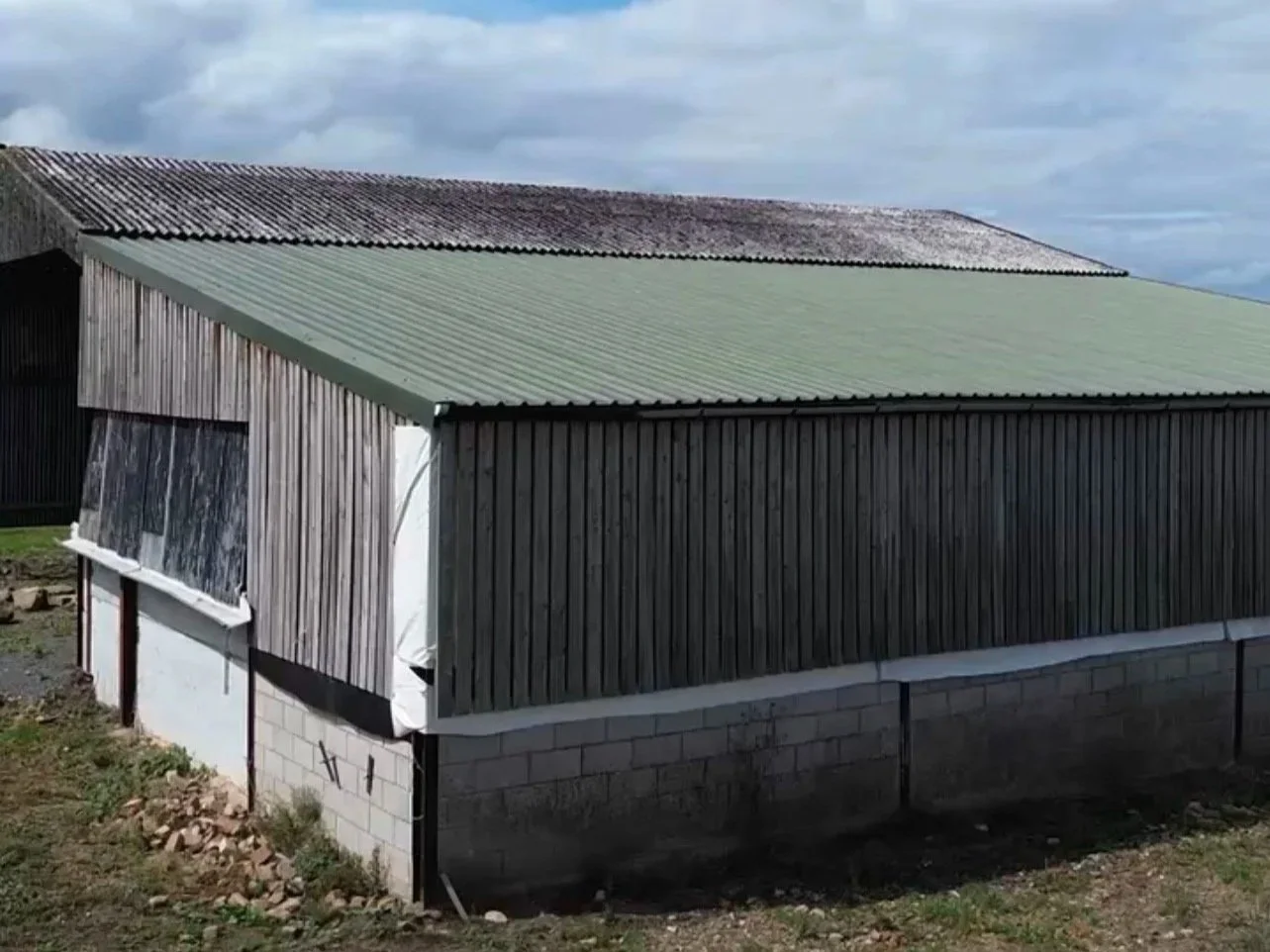
This barn will become a new home in 2026.
1. Projects don’t start with planning applications
One of the biggest misconceptions about development is that starting means committing. In reality, most successful projects begin with conversations, sketches, and feasibility work: not formal submissions.
Early exploration allows you to understand what’s possible without pressure. When we’re looking at costings and options, there is never any obligation – let alone expectation – that the project must go through to full completion.
2. Waiting for the ‘perfect time’ rarely pays off
There’s never a moment when life is quiet, budgets are unlimited, and decisions feel effortless. Rural projects that succeed tend to be those where people start before everything feels aligned: not after.
Momentum is often created by small, low-risk steps, not bold leaps.
3. Rural planning rewards preparation
Whether it’s Class Q, residential extensions, or land promotion, rural planning is nuanced. Policy, precedent, and presentation matter. And those things take time to get right.
Starting early gives you space to shape a scheme properly, rather than reacting under pressure or rushing decisions later.
4. Value is created long before anything is built
Much of a project’s value is determined well before construction starts, through intelligent design, careful thought, and a clear planning strategy.
The earlier these elements are considered, the stronger the outcome tends to be, both practically and commercially.
5. The best ideas need time to mature
Good projects evolve. Initial ideas are tested, refined, and often improved through discussion and design development.
Allowing that process to unfold naturally, rather than forcing it into tight timescales, usually leads to better decisions and fewer compromises.
6. Doing nothing is still a decision
Land and buildings don’t stand still. Policies change. Markets shift. Circumstances evolve. Choosing not to explore your options is still a choice: just a passive one.
That question feels more pressing in 2026, with forthcoming inheritance tax changes for agricultural assets encouraging more proactive thinking around land, buildings, and long-term value.
And while there will undoubtedly be a cost involved in acting, the kind of rural projects that we work on for clients almost always add value in the long term. We can help you to quantify that, too.
Understanding that potential doesn’t mean acting on it, but it does put you back in control. And help you to make sure you don’t leave that value on the table.
7. January can be about clarity, not commitment
Moving a project forward doesn’t have to mean starting construction in the next twelve months. If you speak to us in January, we can work together in 2026 to simply give you clarity: understanding what’s realistic, what’s viable, and what’s worth pursuing.
That clarity often becomes the most valuable outcome of all.
Looking ahead
If you’ve had a rural project in the back of your mind for a while, this quieter moment in the year can be a good time to start asking the right questions. Not to rush decisions — but to replace uncertainty with understanding.
At TUK Rural, we help landowners and homeowners explore ideas thoughtfully, turning early vision into informed, purposeful projects when the time is right.
Get in touch if you’d like to start that conversation.