
Planning Ahead: 5 Rural Development Opportunities to Explore Before Spring
Spring is often seen as the natural starting point for rural development projects. Longer days, better weather and renewed momentum all play their part.
In reality, however, the most successful rural projects usually begin much earlier.
That makes February a very valuable planning month. It can give your project breathing space: time to reflect, explore ideas and assess opportunities properly before the busy months arrive. It’s also an ideal moment to start conversations, test feasibility and put strong foundations in place without the pressure to rush.
Here are five rural development opportunities worth exploring now, while there’s time to plan carefully and confidently.
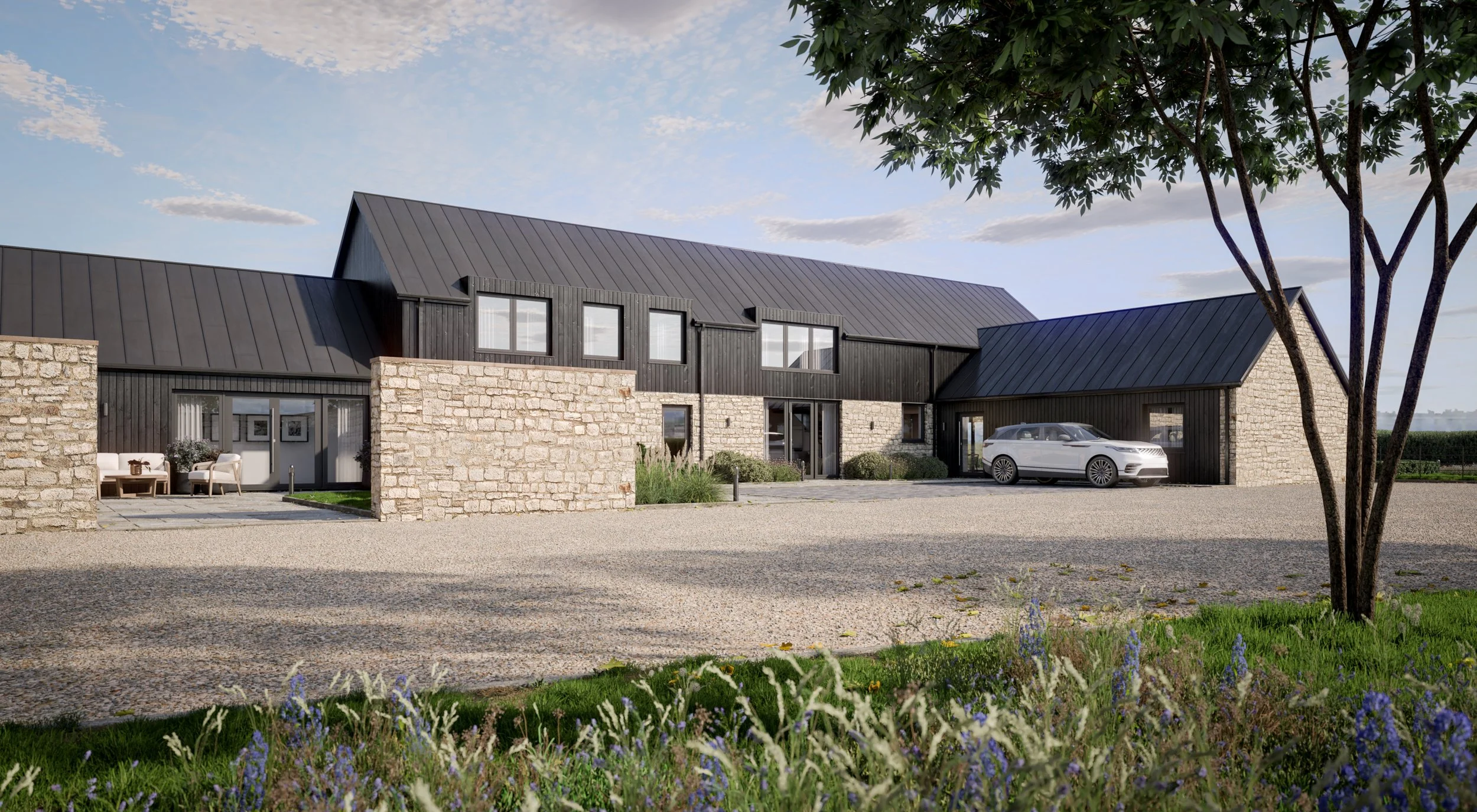
.1. Rethinking Redundant Buildings
Across the countryside, many barns and outbuildings are underused or quietly slipping into disrepair. Often they’re viewed simply as storage, but with the right assessment, they can represent significant untapped potential.
Depending on location, structure and planning policy, redundant buildings may be suitable for residential conversion, holiday accommodation, rural workspaces or other appropriate uses. Early-stage checks can establish quickly whether change of use is realistic and what constraints may apply.
Exploring these options now will give you the time to consider alternatives and avoid costly surprises later in the process.
2. Farm Diversification That Fits Your Land
Farm diversification continues to be a key opportunity for many landowners, but the most successful schemes are those that work with the land, not against it.
Rather than pursuing headline ideas, diversification should reflect the site, its access, surroundings and long-term objectives. This might include small-scale visitor accommodation, rural office or workshop space, equestrian uses, or complementary commercial activity.
Taking a measured approach early on helps ensure diversification proposals are practical, policy-aligned and financially viable, rather than reactive or over-ambitious.
3. Starting With Feasibility, Not Forms
One of the most common pitfalls in rural development is jumping straight into formal applications. In many cases, a feasibility-led approach is far more effective.
Feasibility work helps to:
· Identify planning risk before significant costs are incurred
· Explore multiple options for the same site
· Understand constraints around access, policy or infrastructure
· Shape stronger, more deliverable proposals
By focusing on feasibility first, landowners gain clarity and confidence, and are much better positioned if and when they decide to move forward.
4. Future-Proofing New Build Opportunities
For those considering new build homes or small rural developments, early planning is essential. Market conditions, policy expectations and design standards continue to evolve, and successful schemes are those that think beyond immediate build potential.
February is a good time to ask:
· Is the site genuinely suitable for development?
· What scale and form would be most appropriate?
· How can long-term value be maximised while remaining policy-compliant?
Addressing these questions early allows projects to develop at a steady, considered pace, rather than being forced by external pressures later in the year.
5. Exploring Land Promotion as a Lower-Risk Option
Not every landowner wants to take on the full risk associated with development. In some cases, land promotion agreements offer an alternative route, allowing planning permission to be pursued with shared risk and specialist support.
This approach can be particularly relevant where land has potential but uncertainty remains around planning outcomes, timescales or delivery. Understanding whether land promotion is appropriate at an early stage enables informed decision-making without unnecessary commitment.
With a Land Promotion Agreement, we will be happy to speak to you to explore your options, before taking on a share of the risk, rather than you finding yourself facing significant expenditure up front, without any guarantees of a return from that investment.
Taking Time To Explore What’s Possible
For us at TUK Rural, our key message is that rural development doesn’t need to begin with firm decisions, submitted plans, or major investment. Usually the most productive first step is simply exploring what might be possible calmly, carefully and with the right advice.
Rather than waiting until Spring, February offers the opportunity to do exactly that. With early conversations and thoughtful planning, projects are better prepared, more resilient and far more likely to succeed when the time comes to progress.
If you’re considering the future of your land or property, now is a good moment to explore the options without pressure, and with clarity from the outset. Get in touch.