
Thinking About a Class Q Barn Conversion? Here’s How the Process Actually Works
For many landowners, an unused agricultural building sitting in their yard represents a significant opportunity.
Class Q permitted development rights have made it possible to convert certain agricultural buildings into homes without going through a full planning application. As a result, barn conversions have become one of the most popular ways to unlock the potential of rural buildings.
But while many people are familiar with the term Class Q, far fewer understand how the process actually works.
At TUK Rural, we guide clients through this journey regularly. While every project is unique, most successful Class Q conversions follow a clear five-stage process…
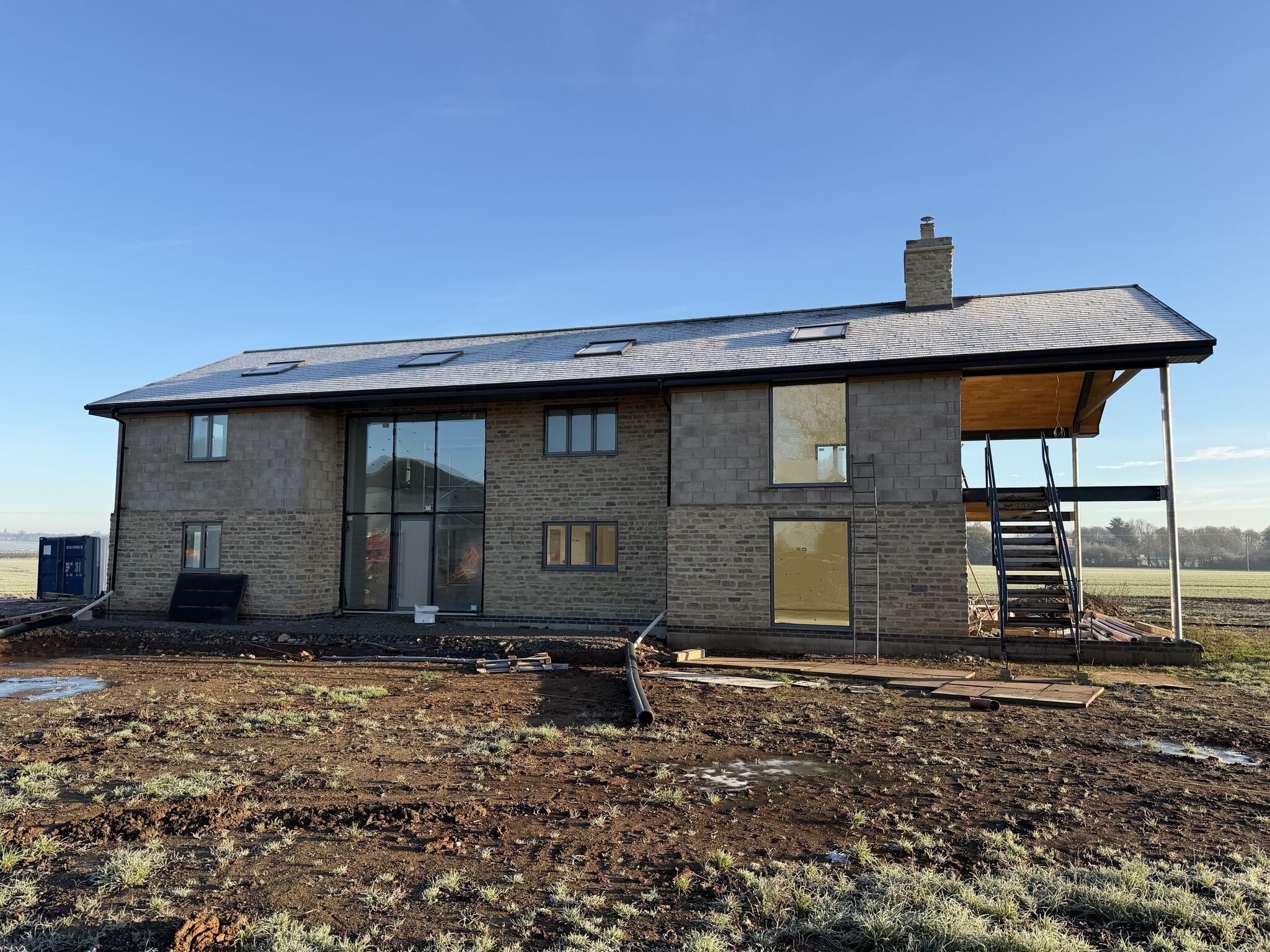
Looking to complete your own barn conversion? Knowing how to navigate the Class Q process is vital.
1. Free Feasibility Check
Every successful project begins with a simple but important question: does the building actually qualify for Class Q?
Not every agricultural building will meet the criteria. There are strict planning rules governing factors such as the building’s lawful agricultural use, its structural condition, and the surrounding planning context.
This is why the first step is always a planning feasibility review.
At TUK Rural, we begin with a Free Planning Feasibility Report, assessing whether the building is likely to qualify under Class Q permitted development rights. This early-stage review allows us to identify potential risks or constraints before significant time or money is invested in the project.
Often this stage alone can provide landowners with valuable clarity about what is realistically achievable.
2. Planning Strategy
If the building appears to be suitable, the next stage is to develop a clear planning strategy.
Although Class Q sits within permitted development rights, securing approval still requires careful preparation. Local planning authorities will scrutinise aspects such as structural integrity, agricultural use, design impact and the practicalities of conversion.
A well-considered planning strategy brings these elements together into a robust proposal. This involves analysing the site’s planning history, reviewing national policy, and understanding how local authority expectations may influence the application.
By addressing these considerations early, the project can move forward with a much stronger foundation.
3. Design & Drawings
Once the strategy is established, the design stage begins.
One of the most interesting aspects of Class Q conversions is working within the constraints of the existing building. Unlike a new build, the structure, proportions and layout of the barn will heavily influence the design.
Our architectural team focuses on creating homes that retain the character of the original building while providing practical, high-quality living spaces.
At this stage we produce architectural drawings that comply with Class Q limitations, including restrictions around floor space, number of dwellings and external alterations. Thoughtful design is crucial here, ensuring the project remains compliant while still delivering an attractive and functional home.
4. Application Submission
With the design complete, the project moves into the Prior Approval application stage.
Although Class Q does not require a full planning application, approval from the Local Planning Authority is still necessary. The council must assess specific factors such as transport impacts, noise, flooding, contamination and the design of the proposal.
We prepare and submit the full application on behalf of our clients, including planning statements, technical documentation and architectural drawings. Throughout this process we also manage communication with the council and respond to any queries that arise during the determination period.
For many landowners, this is where having experienced planning support can make a significant difference.
5. Post-Approval Services
Once approval has been granted, the project moves from planning into delivery.
At this stage we continue supporting clients with building regulations, detailed construction drawings and additional design development as the scheme moves towards construction. And with our interior designer Anna Bly now on board, we can support clients all the way through to moving in and slouching into the perfect sofa in your new living room.
In some cases, securing Class Q approval can also open the door to further opportunities. The approved scheme can sometimes act as a fallback position, allowing landowners to explore alternative planning routes such as a full application for a new-build dwelling on the site.
This stage is where the original idea begins to transform into a completed home.
Turning Rural Buildings into Lasting Value
Class Q has created new opportunities for landowners across the countryside to make meaningful use of redundant agricultural buildings.
While the route can be more streamlined than traditional planning applications, successful projects still rely on careful planning, thoughtful design and a clear understanding of the regulations.
At TUK Rural, we help guide landowners through every stage of the process: from initial feasibility through to planning approval and beyond.
If you have an agricultural building that may have potential for conversion, we’d be happy to help you explore what might be possible.